SOLUTIONS
Explore how DEBI supports rewarding positive employee behaviours



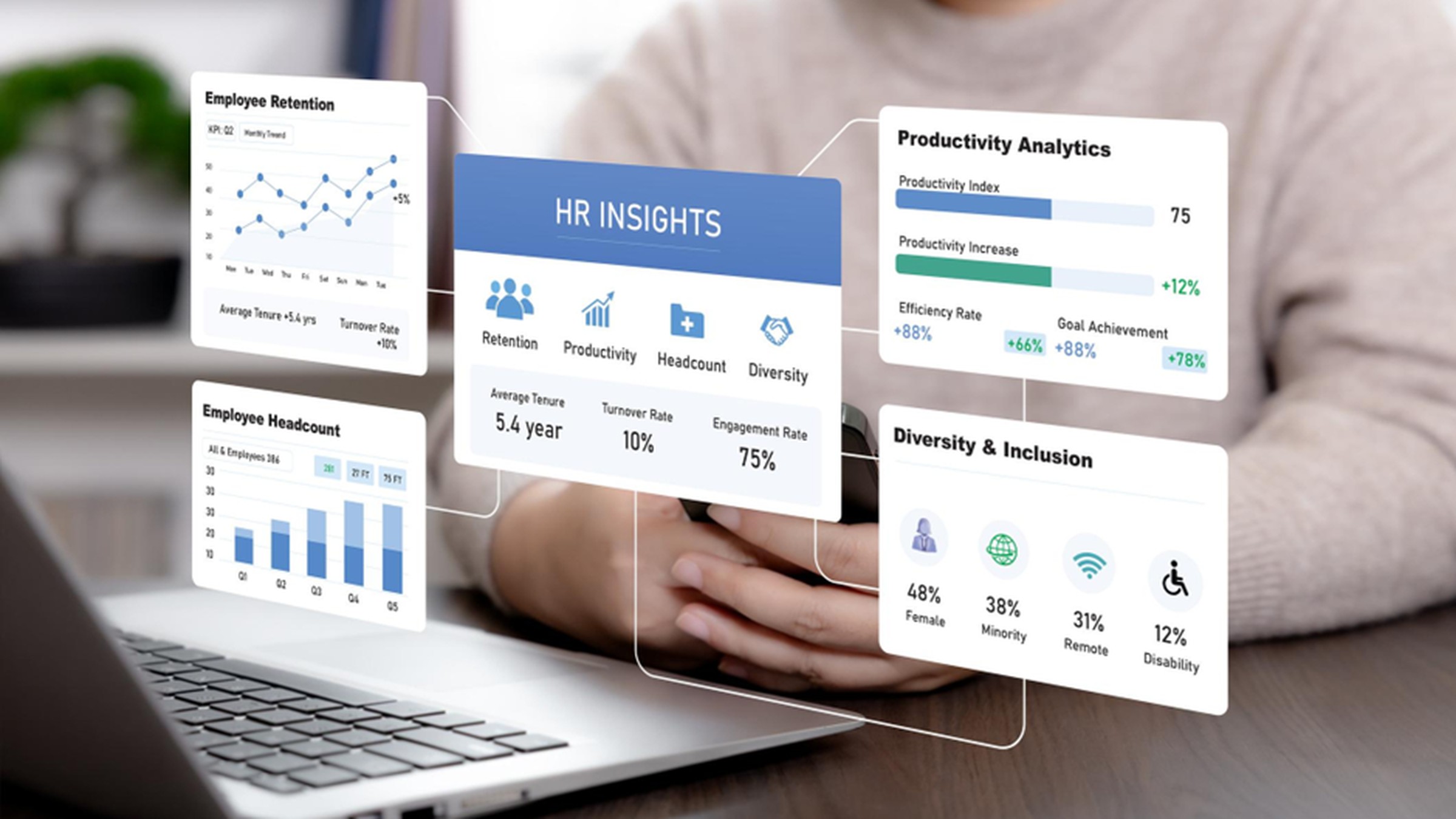
In 2026, HR leaders can boost engagement, wellness, and safety by encouraging employees to take small, trackable daily actions. When these micro-actions are monitored, rewarded, and measured in a unified system, participation increases, results are easier to track, and healthy habits are more likely to become part of the workplace culture.
1. Make Micro-Actions Count
Small daily behaviours lead to big results. Encourage employees to:
These micro-actions may seem minor, but they add up over time, building habits that improve wellness, engagement, and safety simultaneously.
What We Observed
When mood tracking was simplified and friction reduced, more employees started logging consistently. Participation increased because progress was easy to see and track, turning small actions into habitual engagement.
Tip: Make these actions trackable and visible. Employees stay motivated when they can see their progress and the impact of their small, consistent actions in real-time.
2. Motivate with Gamification
Gamification makes participation fun and consistent. Friendly competitions, leaderboards, and milestone badges encourage employees to take action regularly.
During a week-long “Walkathon” step challenge, employees quickly started forming teams, sharing progress, and encouraging one another to reach daily targets. The sense of shared achievement motivated everyone—individual efforts contributed to team success, and seeing colleagues climb the leaderboard inspired even the less active participants to join in. Friendly competition and collective wins turned a simple step count into an engaging, team-driven habit.
Key ways gamification can boost engagement:
Tip: Highlight both individual and shared wins. When employees see that their contributions impact a larger goal, gamification drives participation, collaboration, and lasting habits.
3. Reward Positive Behaviours
Recognition matters. Employees are more likely to maintain habits when actions are acknowledged and rewarded.
What We Observed
Employees who saw their points accumulate in real time were inspired to hit daily targets consistently. Knowing that both individual and team efforts were recognized created a ripple effect—participation spread across teams, reinforcing healthy behaviours and engagement.
Tip: Link rewards to meaningful, measurable actions. Recognition reinforces motivation and helps employees build sustainable habits.
4. Integrate Engagement, Wellness, and Safety
Siloed programs reduce impact. Instead:
Integration simplifies participation for employees and streamlines administration for HR, reducing reliance on spreadsheets and emails. When programs are interconnected, employees experience a consistent message and a seamless journey that encourages ongoing participation.
5. Track, Measure, and Report
Data drives results. HR teams need real-time insights to:
From HR Teams we work with
Reporting provides more than just ROI figures — it helps pinpoint which initiatives truly engage employees and supports better planning and resource allocation.
A behavioural change companion like DEBI centralizes tracking, automates reporting, and allows HR to make data-driven decisions.
6. Create a Culture of Continuous Engagement
Behavioural change works best when it’s ongoing. Build programs that:
Over time, these habits stop feeling like initiatives—and start feeling like how work gets done.
Why a Behavioural Change Companion Helps
Many engagement initiatives fail not because of lack of effort, but because employees are overloaded with programs, events, and information – quantity doesn’t always equal impact. The key is meaningful and manageable actions that actually stick.
DEBI is a digital behavioural change companion that supports HR teams in:
By turning everyday actions to measurable outcomes, DEBI reduces cognitive load for employees, empowers them to build healthy habits, stay motivated, and contribute to a safer workplace, while HR teams gain operational efficiency and actionable insights.
Explore DEBI today and start transforming your workplace culture.
 Back
Back